Need siding installation services in East Bethel?
Send a request for an estimate and a local provider can reach out. Prefer the phone? Request a callback to check provider availability.
No obligationRequest an estimate today
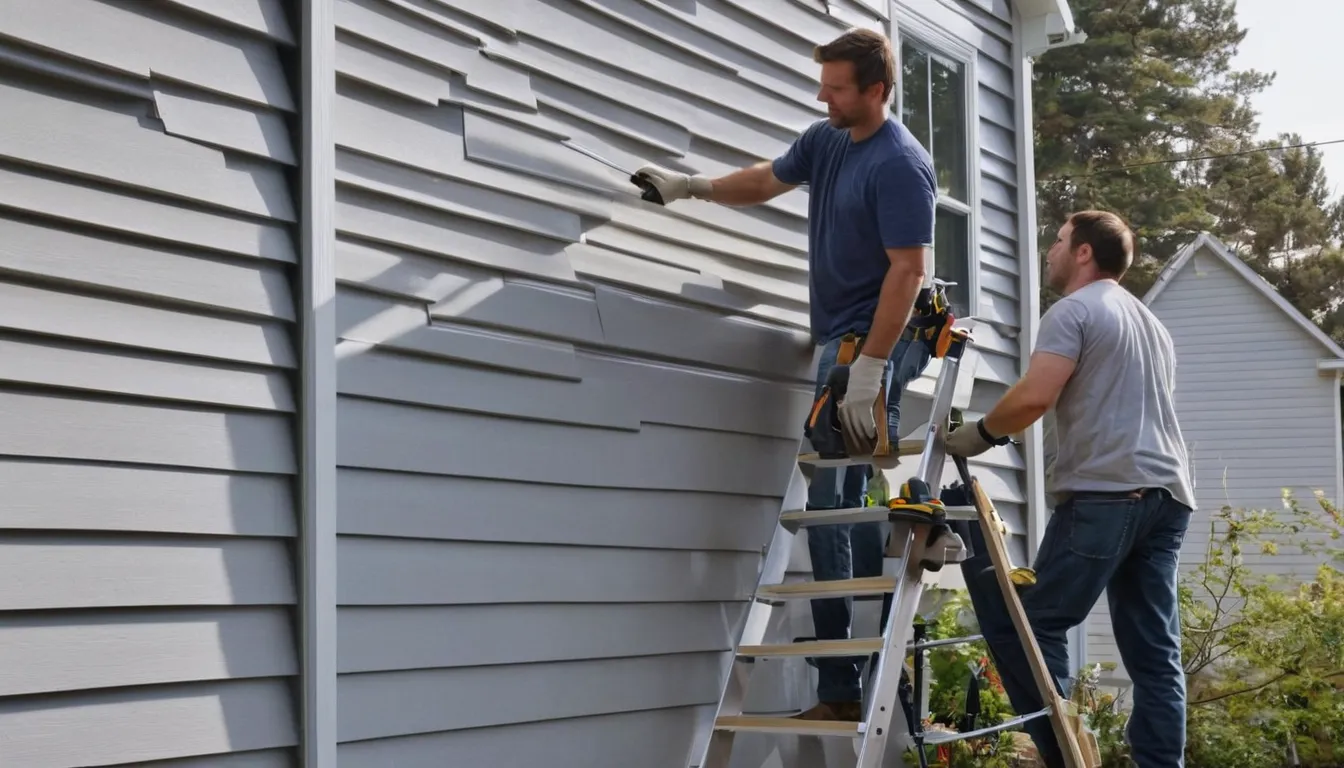
Siding is your home's outer shell. It sheds rain, blocks wind, and keeps wall insulation dry. When it cracks, warps, or falls off, water gets in. Then small problems turn into rot, mold, and higher energy bills.
Sealvideos Windows & Siding is a referral service. We do not install siding. We connect homeowners in the East Bethel area with independent providers in our network. Those providers do the work. This page explains how siding projects go, what to ask, and what red flags to watch for. Ask before you sign. Then request an estimate when you are ready.
If water is getting behind your siding, act soon. Wet walls can rot in a single season. Rot costs far more to fix than siding does.
This page is about new siding installation. That means taking off old siding and putting up new. It is not about patching one board. Providers in our network focus on full or large-section jobs.
Look for stains under windows, bubbling paint, or damp spots inside a wall. Heavy storms and spring flooding can push water into weak spots. Sheathing (the board under your siding) soaks it up fast.
Hail and strong wind can crack panels or rip them off. Bare wall is open to rain. If you can see house wrap or wood, the wall needs cover now.
One bad spot may not mean much. A pattern does. Watch for these:
Press a screwdriver tip into wood siding or trim. If it sinks in easily, the wood is soft with rot. Tell the provider what you found.
Your climate matters here. Cold winters with deep frost, hot humid summers, and hail all stress siding. Pick a material that handles all three.
Vinyl siding is plastic panels that lock together. It costs less than most choices and needs little care. Thicker panels handle hail better. Cheap, thin panels can crack in deep cold.
This is a mix of cement and wood fibers. It is tough, resists fire, and holds paint well. It is heavy, so install costs more.
Real wood looks warm and classic. It needs paint or stain and regular checks in humid summers. Engineered wood resists rot better and costs less than solid wood.
Steel and aluminum shed water and shrug off many pests. Hail can dent them. Ask about coating thickness.
Good residential siding contractors follow a clear order. Knowing the steps helps you spot shortcuts.
The crew removes old siding. Then they check the sheathing. Soft or wet boards get replaced before anything new goes up. Ask to see photos of what they find.
House wrap is a thin sheet that blocks water but lets walls dry. Flashing is metal or tape that guides water away around windows and doors. These parts hide behind the siding, yet they matter most.
Next come the panels, corners, and trim. Vinyl needs room to expand and shrink with heat. Panels nailed too tight will buckle in summer.
Most homes take several days to a couple of weeks. Size, shape, and material all play a part. A simple ranch or bungalow goes faster than a tall frame house with many corners. Rain or hail delays can add days. Ask the provider for a start window and a rough finish date in writing.
Spring through fall suits most work. Vinyl can turn brittle in deep cold, so some providers pause in midwinter. Busy seasons fill calendars, so ask early.
Move cars, grills, and patio items away from walls. Trim shrubs. Tell neighbors about noise. If you plan to replace windows too, do it before the siding. Energy efficient windows fit more cleanly into open walls. Then ask the provider how the two jobs line up.
Ask before you sign. Here is what to ask and what a solid answer sounds like.
A good answer names the crew, or says clearly if subcontractors are used. Vague replies are a warning.
A good provider shares both without fuss. Check them with your state or local office. Your local rules may differ.
Get it in writing. It should list the material brand and thickness, tear-off, house wrap, flashing, trim, cleanup, and total price. It should also state the warranty terms.
A good answer gives a per-board or per-foot price up front. You then avoid surprise bills.
Sealvideos Windows & Siding is a referral service. We pass your request to an independent provider in our network. The provider gives the quote, signs the contract, and does the work. You choose whether to hire them.
If you want to talk with someone about your project, Request a callback to check provider availability.
The provider removes worn panels, checks the wall underneath, and hauls away the old material.
House wrap and flashing go up to guide rain away from walls.
Panels, corners, and trim go on in the material you choose, such as vinyl siding.
The provider clears nails and scraps, then walks the finished job with you.
Siding prices vary by home size, material, and wall condition. These are typical U.S. ranges for a whole-house job. Treat them as a starting point, and get a written quote from the provider.
| Item | Typical range | Notes |
|---|---|---|
| Vinyl siding, whole house | $8,000 – $20,000 | Most common choice; thicker panels cost more |
| Fiber cement, whole house | $12,000 – $30,000 | Heavier, so labor runs higher |
| Engineered wood, whole house | $10,000 – $24,000 | Needs paint; resists rot better than solid wood |
| Old siding tear-off and disposal | $1,000 – $3,500 | Depends on layers and home size |
| House wrap and flashing | $1,000 – $3,000 | Hidden but key to keeping walls dry |
| Trim, soffit, and fascia | $1,500 – $5,000 | Varies with how much trim your home has |
Tell us about your home and siding trouble using the short request form.
We pass your request to an independent provider in our network near you.
Ask your questions, review the quote, and check license and insurance details.
If you hire the provider, they schedule and complete the siding installation.
We tell you who we are: a referral service, not the one doing the work.
Providers in our network run their own businesses and give their own quotes.
You get simple questions to ask, plus what good answers and red flags sound like.
Requesting an estimate costs nothing to commit to. You decide who to hire.
Send a request for an estimate and a local provider can reach out. Prefer the phone? Request a callback to check provider availability.
No obligationA few loose or cracked panels may need only a patch. But damage across several walls, soft wood, or repeated water stains usually points to new siding. A provider can inspect and explain the options.
Yes, vinyl siding works in many cold climates. Choose thicker panels, since thin ones can crack in deep frost. Ask the provider about panel thickness and proper nailing.
Typical U.S. whole-house jobs run from about $8,000 to $30,000, depending on material, home size, and wall condition. Prices vary by job, so get a written quote that lists everything included.
Send a request for an estimate and a local provider can reach out. Prefer the phone? Request a callback to check provider availability.
No obligation